Key Takeaways
Selecting the right DSLR involves balancing technical specifications with ecosystem availability. This guide navigates the critical decisions: choosing between Full Frame and Crop sensors, understanding the importance of the lens ecosystem, and evaluating used camera bodies based on shutter actuation life.
Introduction
Photography is an investment in both equipment and creativity. The Digital Single-Lens Reflex (DSLR) camera remains a staple for photographers who value optical viewfinders, robust ergonomics, and extensive battery life.
However, the market is saturated with options ranging from entry-level bodies to professional workhorses. Navigating these choices requires understanding not just the specifications of the camera body, but the ecosystem of lenses and accessories that surrounds it.
Understanding the Form Factor
A DSLR distinguishes itself from mirrorless cameras and smartphones through its reflex mirror mechanism. This internal mirror reflects light from the lens directly into an optical viewfinder, allowing you to see exactly what the lens sees in real-time, with zero digital lag.
Why Photographers Still Choose DSLRs:
- Optical Viewfinder: A clear, lag-free view of the scene, ideal for sports and rapid action.
- Battery Life: Without an electronic viewfinder draining power, DSLRs can often shoot 3x–4x longer on a single charge than mirrorless equivalents.
- Lens Market: The decades-old history of Canon EF and Nikon F mounts means there are thousands of affordable, high-quality used lenses available.
Critical Decision 1: Sensor Size
The most significant differentiator in price and performance is the sensor size.
APS-C (Crop Sensor)
- Target Audience: Beginners, hobbyists, and wildlife photographers.
- Pros: Smaller, lighter, and more affordable. The "crop factor" (1.5x or 1.6x) gives telephoto lenses extra reach.
- Cons: Slightly reduced low-light performance and dynamic range compared to full-frame.
Full Frame (35mm)
- Target Audience: Professionals and serious enthusiasts.
- Pros: Superior low-light capability, shallower depth of field (better bokeh), and wider field of view.
- Cons: Significantly more expensive, heavier bodies, and larger lenses.
Critical Decision 2: The Ecosystem
When you buy a DSLR, you are not buying a camera; you are buying into a system.
| Brand | Ecosystem Strengths |
|---|---|
| Canon (EF/EF-S) | Massive selection of used lenses, excellent color science for skin tones, and intuitive menus. |
| Nikon (F Mount) | Legendary dynamic range in sensors, backward compatibility with vintage lenses dating back decades. |
| Pentax (K Mount) | The rugged choice. Known for industry-leading weather sealing and in-body stabilization features. |
Note: Brands like Sony and Olympus have largely transitioned entirely to Mirrorless technologies and are no longer producing new DSLRs.
Evaluating Key Specifications
Beyond the sensor, pay attention to these performance metrics:
- Autofocus (AF) Points: More points cover more of the frame, allowing for easier tracking of moving subjects. Look for "Cross-Type" points for higher accuracy.
- ISO Sensitivity: Look for the "Native ISO" range. A higher native range indicates cleaner images in dim lighting.
- Burst Rate (FPS): Essential for sports or wildlife. 5 FPS is standard; 10+ FPS is professional territory.
- Video Capabilities: While DSLRs are photo-first tools, look for 1080p/60fps or 4K capabilities if you plan to shoot video.
Buying Used: The Importance of Shutter Count
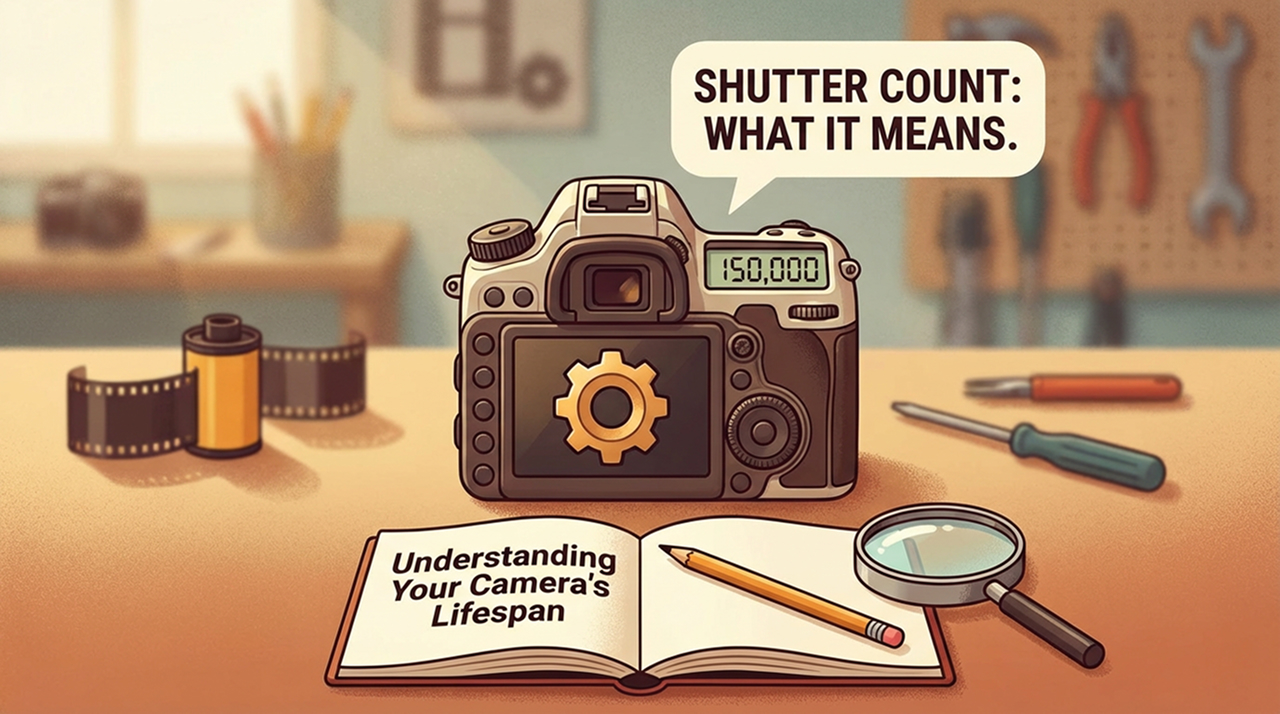
Because DSLRs rely on a mechanical mirror and shutter assembly, they have a finite lifespan. This is measured in Shutter Actuations.
When purchasing a used or refurbished DSLR, the shutter count is the single most important metric to verify. It acts as the "odometer" of the camera.
- Entry-Level Rating: ~100,000 shots.
- Mid-Range Rating: ~150,000 shots.
- Professional Rating: ~300,000+ shots.
Recommendation: Before finalizing a purchase on eBay or a forum, ask the seller for the current shutter count, or verify it yourself if you have the file.
Conclusion
Choosing the right DSLR comes down to defining your primary subject matter. If you shoot portraits and landscapes, prioritize a Full Frame sensor. If you shoot wildlife or sports, an APS-C body with a high burst rate and crop factor may actually serve you better.
Regardless of the model, ensure you budget for quality glass (lenses), as they have a far greater impact on image quality than the camera body itself.
Remove Image Backgrounds Instantly!
Try BGFixer.com — fast, free AI background removal for all your photos.